“There is perhaps no serious mental illness more maligned and misconstrued than borderline personality disorder. Years ago, when I started my clinical career, I was warned to “stay away from ‘Borderlines’.” Being of a suspicious nature, I began to search out information about this dread diagnosis, which was primarily attached to women, and carried with it such a blatantly stigmatizing reputation. As I began working with people with this disorder, I became aware of the enormous strength and resiliency they brought to the daily struggle of coping with the disruptive symptoms of the condition, and of the patience and loyalty shown by the families who loved and supported them.
Bringing this diagnosis out of the darkness is long overdue. Individuals and families living with the illness deserve current and correct information, and we must all advocate to dispel the myths which have made borderline personality disorder a “leprosy” of psychiatric diagnoses.”
Joyce Burland, Ph.D
Borderline personality disorder, historically and even presently, is a disorder that has met with widespread misunderstanding. There are many reasons for the confusion. With the nine possible symptoms there exist over 200 different ways for the disorder to present itself, and this heterogeneity is further complicated by the fact that BPD rarely stands alone. A high rate of co-occurrence exists with other disorders, which typically include major depression, mood disorders, substance abuse, eating disorders, obsessive compulsive disorders and anxiety disorders.
The trouble about being a client with the diagnosis of borderline personality disorder (BPD) is anytime you speak up for yourself, question your treatment, ask for change, ask for another opinion, you are accused of displaying “borderline” behavior and your opinions are generally ignored or dismissed
The negative reporting of the condition in the media and the publicizing of the condition as untreatable has further stigmatized individuals with BPD
Many groups and organisations have worked furiously in recent years to move forward in the way BPD is viewed and accepted and progress has been made. However, BPD still lags behind other mental illnesses such as Bipolar disorder and Schizophrenia in its recognition and there is much more work to do before BPD can shed the stigma still associated with it and sufferers can really get the recognition and the treatment they are entitled to.
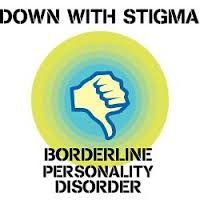
 borderline personality disorder