From Generation to Generation
Sadly, when children do not receive what they need in childhood, there seems to be something automatic that registers this as “there’s something deeply wrong with me.”The child becomes desperate to behave in a way that will placate the parent without ever knowing what that actually is. This certainly leaves its scars in adulthood. Persons said to be borderlines are very insecure and desperately need validation and nurturing, not only because of what happened to them, but also because they are so easily reminded that there is “something wrong with them”. Add to that a stigmatising diagnosis and they are in deep trouble.
Parental rejection or verbal assaults, devaluation and being ignored all impact a child’s identity. Parental maltreatment can also influence the development of a secure attachment. Childhood sexual abuse, physical abuse, emotional abuse and neglect are all associated with the development of the disorder. In some studies, the rates of maltreatment were as high as 90 percent in BPD patients.
Because severe dissociation is included in the diagnostic criteria for BPD, it is believed that it may also be related to the emotional neglect experienced by so many of those suffering with BPD. Dissociation is a state in which one becomes removed from reality. This may take the form of daydreaming, running on auto-pilot or a general disconnection from actions which has been shown to follow experiences of severe trauma.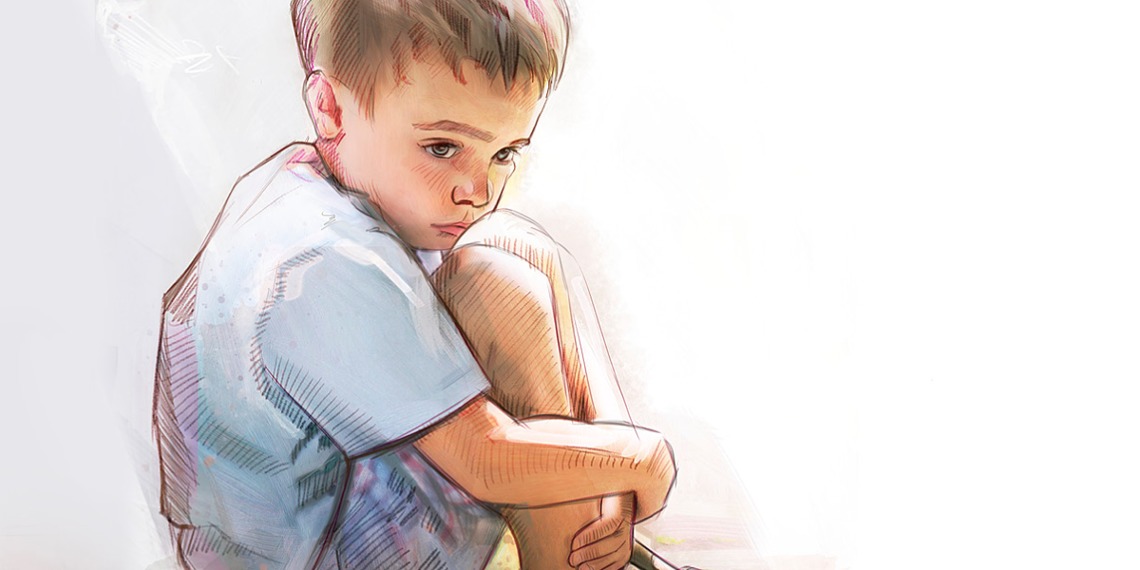
According to a large number of studies, child abuse and/or neglect is the single most common biological, psychological, or social risk factors seen in individuals who develop the BPD.
Speaking personally I come from a very dysfunctional family background. My father committed suicide and my mother was brought up in an abusive family and spent 90% of my childhood on the edge of violent rage, I was terrified all the time and quickly learnt the best way to keep out of trouble was to be quiet and show no emotion. So I hid my feelings by cutting myself to get rid of anger and by starving myself to numb the pain. It worked so I kept it up. Why fix what didn’t seem broken? Now I am in a relationship which I so want to work so I am trying to change but, believe me, at 55 years old, it is a tall order.
Marsha Linehan, the developer of one of the most prominent psychotherapy treatment models for BPD, theorizes than an “invalidating environment” is, along with a genetic tendency to be over-emotional, one of the two major causes of BPD.
 borderline personality disorder